MTV: Catfish the TV ShowRedesigning a remote production workflow during the pandemic
Industry
Entertainment
Timeline
4 months
Year
2020
Team
Executive Producer John Maroney; Director of Photography John Detarsio; Lead Digital Imaging Technician (me); plus additional production and post-production crew.
OverviewMTV: Catfish the TV Show, A Show Built on Authentic Storytelling
Background
MTV’s Catfish: The TV Show is a documentary-style reality series that follows hosts as they help people uncover the truth behind their online relationships. Before 2020, Catfish relied on traditional production workflows: in-person crews, on-set directing, and clean file handoffs to capture emotional, real-time storytelling. When COVID-19 shut down in-person filming, that entire system collapsed and the team had to completely rethink how the show was produced.
Project Overview
As stakeholders and directors scrambled to figure out how to film a remote TV show, Catfish suddenly had no way to shoot new episodes using its traditional on-set crew model. As the lead digital imaging technician, I helped reimagine the show’s workflow for a fully remote world. I partnered with producers, editors, and network stakeholders to design a new remote shooting pipeline—from coaching participants on how to self-film, to standardizing file naming and transfer, to creating a clear process for quality control and handoff to post-production.
By restructuring how footage was captured, organized, and delivered, I helped the team keep Catfish in production during lockdown and preserve the show’s emotional, real-time feel—even without a physical set.
Business Impact
By redesigning Catfish’s production workflow for fully remote filming, we kept the show in active production during COVID and unlocked new revenue for the production company. The new pipeline enabled MTV to film 50+ remote episodes and gave the team a scalable system they later reused to win and deliver three additional shows for E!, Travel Channel, and CBS.
50+
Remote episodes filmed for MTV using the new workflow
3x more shows
This remote workflow was later reused to produce 3 additional shows for E!, Travel Channel, and CBS.
7%
Of the new workflow was still used after the pandemic to help shoot new epsidoes
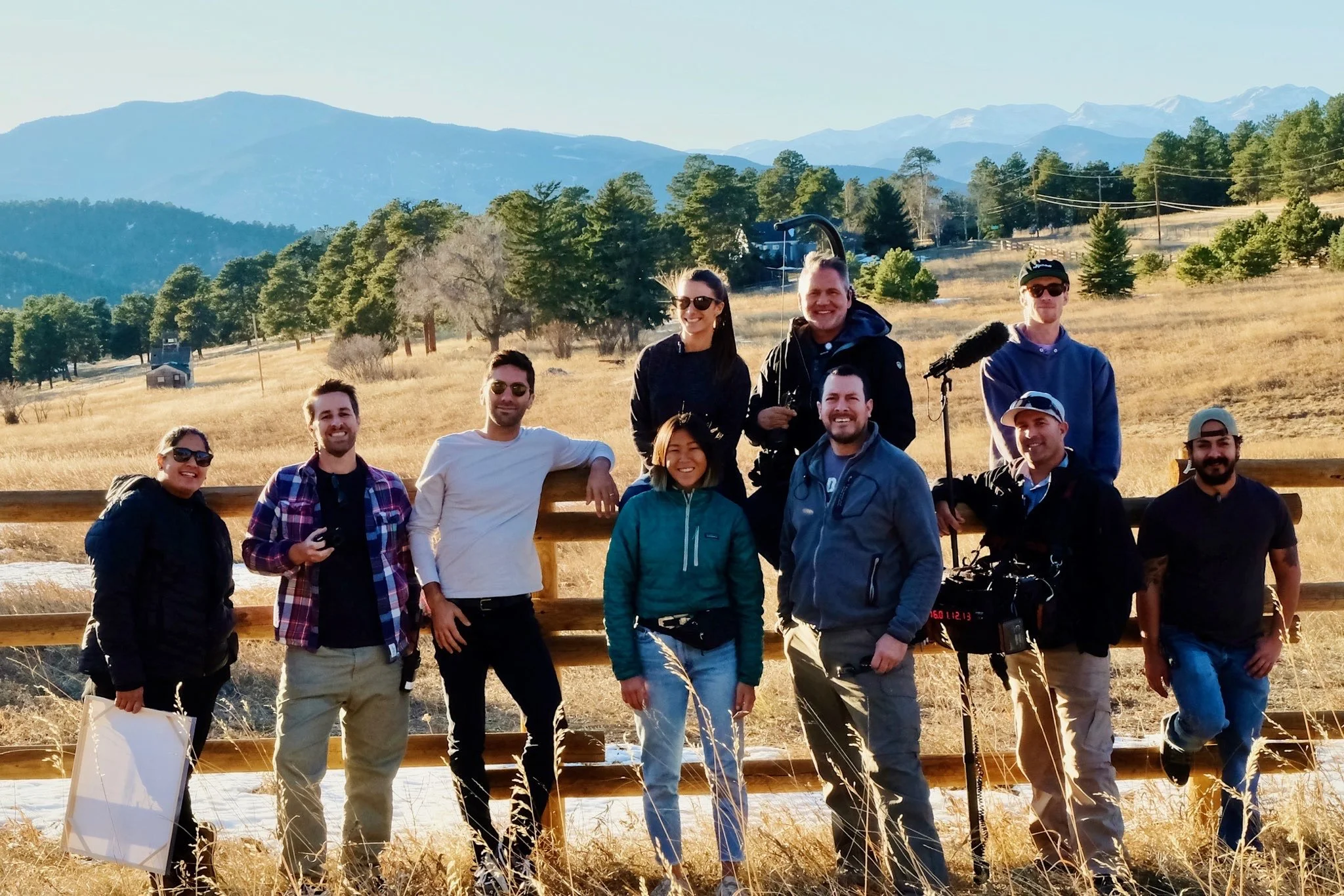
Before: Shooting on the road pre-pandemic
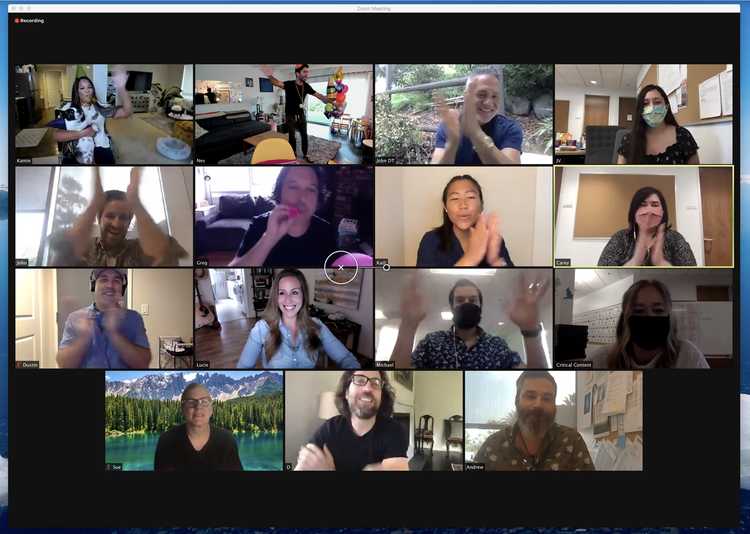
After: Shooting during the pandemic
ChallengeHow do you film a TV show when no one can leave home?
When COVID-19 hit, in-person shoots stopped overnight. Contributors suddenly had to self-film on their phones and laptops with no crew, no lighting, and no training. Producers lost the ability to direct scenes in real time, and the usual on-set checks for framing, audio, and continuity disappeared.
On the back end, editors were flooded with messy, unstructured footage—different formats, file names, and quality levels with no clear way to sort what was usable. Without a new system, episodes would stall in post-production. The show’s survival depended on designing a remote-first workflow that everyday people could follow at home, producers could trust, and editors could scale across dozens of episodes.
To keep the show running, we rebuilt the production workflow around people filming at home
Solution HighlightsI helped design and ship pre-configured gear kits to contributors, each with simple step-by-step guides so anyone could set up framing, lighting, and audio on their own. We set up a real-time remote review system so producers could still “be on set” virtually—giving live feedback, adjusting shots, and preserving the emotional pacing of each scene. On the back end, I standardized file structures and metadata so every clip followed the same naming, folder, and logging rules. This gave editors a clear, predictable system to work from and turned chaotic home footage into something that could move smoothly through post-production.
The Design Process - DiscoveryMap what used to work (and what suddenly didn’t)
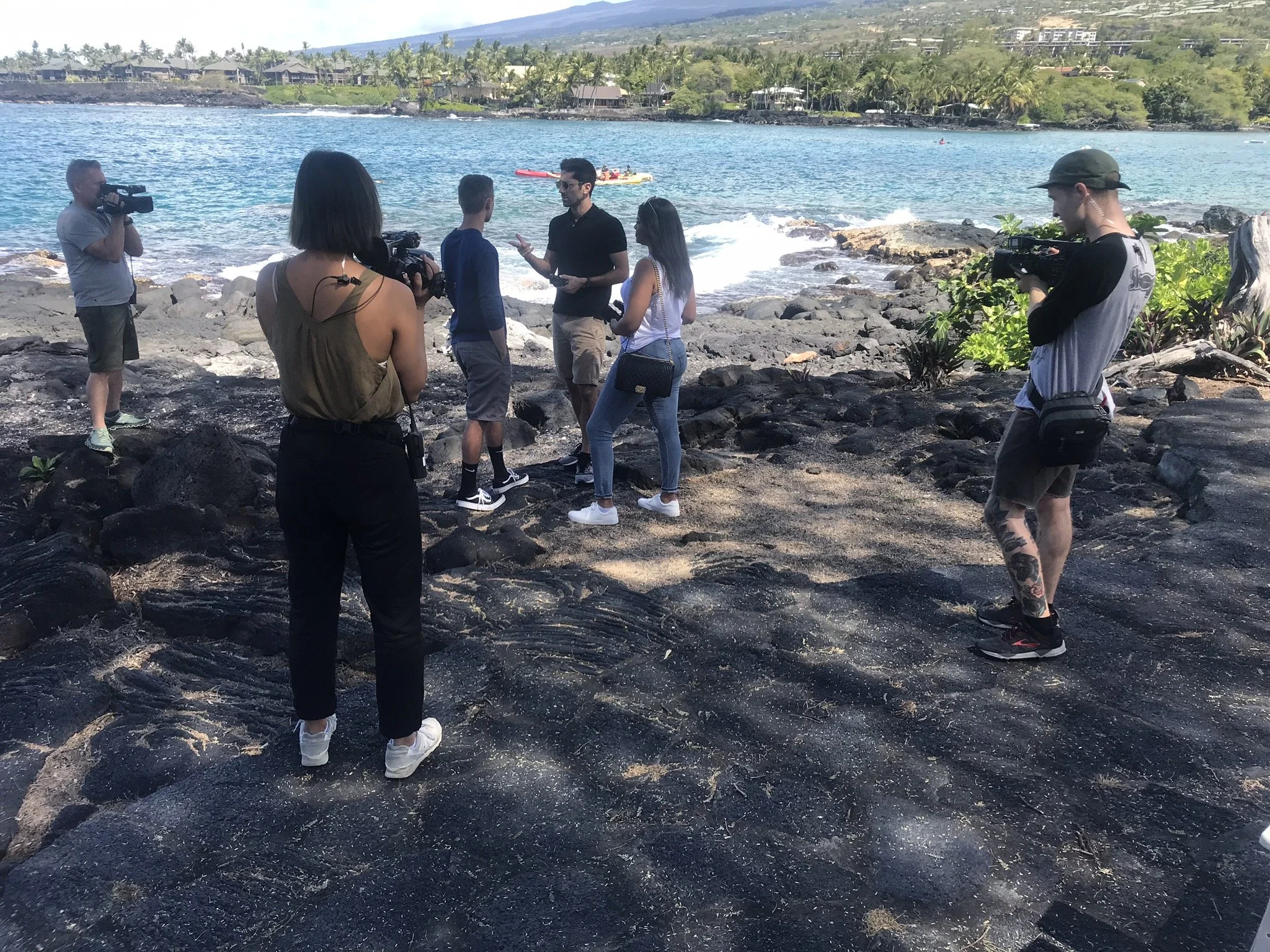
I started by documenting the pre-COVID pipeline—from set to post—and talking with producers and editors about what they were most worried about losing: live direction, consistent image quality, and clean file handoffs. This helped clarify which parts of the old system we needed to protect in a remote version.
Align on constraints for a remote-first workflow
With producers, directors, and post, I defined the non-negotiables: contributors had to be able to self-film without a crew, producers still needed a way to “be on set,” and editors needed predictable structure instead of chaotic file dumps. We used these constraints to set simple success criteria for the new workflow.
Prototype gear kits and self-shoot guides
Next, I specced pre-configured gear kits and created step-by-step setup guides in plain language—framing, lighting, audio, and “do/don’t” examples. We tested these with early contributors, then refined the guides based on where people got confused or made repeatable mistakes.
Standardize ingest, naming, and handoff to post
On the back end, I designed folder structures, file-naming conventions, and basic metadata standards so every episode looked the same to editors. I partnered closely with post post-production team to tweak the structure based on what actually made their work faster and reduced back-and-forth.
Document the playbook and train the team
Once the workflow was stable, I documented it as a repeatable playbook and trained 3 other technical assistants, so they could run shoots without me on every call. This is the version that scaled across remote episodes—and later, parts of it were carried forward when the show returned to on-set production.
Business ImpactValidating the Impact
By redesigning Catfish’s production workflow for fully remote filming, we kept the show in active production during COVID and unlocked new revenue for the production company. The new pipeline enabled MTV to film 50+ remote episodes, increased producer and editor confidence in remote shoots by 62%, and gave the team a scalable system they later reused to win and deliver 3+ additional shows for E!, Travel Channel, and CBS.
50+
Remote episodes filmed for MTV using the new workflow
3x more shows
This remote workflow was later reused to produce 3 additional shows for E!, Travel Channel, and CBS.
7%
Of the new workflow was still used after the pandemic to help shoot new epsidoes
Reflections How Catfish Shaped My Approach to Design
This project was the moment I realized I’d been thinking like a product and systems designer all along. On paper, I was a lead digital imaging technician. In practice, I was mapping user journeys, designing workflows under extreme constraints, and testing scrappy versions of a process until they were reliable enough to scale.
Designing for Catfish during COVID also taught me how important it is to make complex systems feel simple for the people using them. Contributors were stressed, producers were spread thin, and editors were overwhelmed. The workflow only worked because we translated technical decisions into clear checklists, naming patterns, and rituals that anyone on the team could follow.
If I did this again, I’d build in more formal feedback loops—lightweight surveys or quick debriefs with contributors, producers, and editors—to capture what was working and where people still felt friction. Even so, this experience gave me a lot of confidence that I could step into new problem spaces, listen closely, and design structure in the middle of chaos. It’s a big part of what pushed me toward UX and product design.
Want to see one of the first episodes? Check it out!